



No products added!

January 5, 2026
No Comments

Written by
Empirebeauty STL
Curly Human Hair Wigs: Styling and Care Made Simple
Curly human hair wigs are the perfect mix of drama and softness. They frame the face, add instant volume, and turn even simple outfits into a statement, yet many beginners are scared of them because curls have a reputation for being “high‑maintenance.” In reality, once you understand how curly human hair behaves and what it needs, the day‑to‑day routine becomes simple, repeatable, and even fun. This guide walks through how to choose, style, and care for a curly human hair wig so you get bouncy, defined curls instead of frizz and frustration.
What Makes Curly Human Hair Wigs Different?
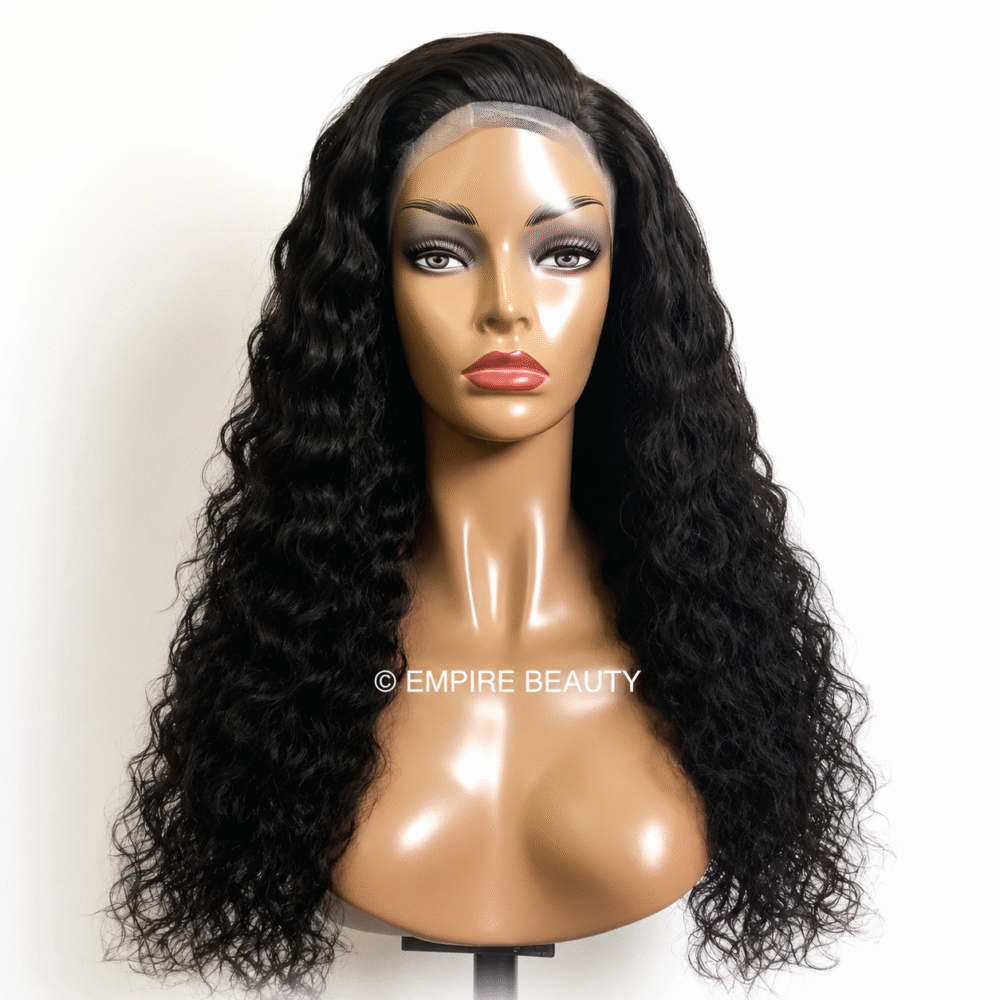
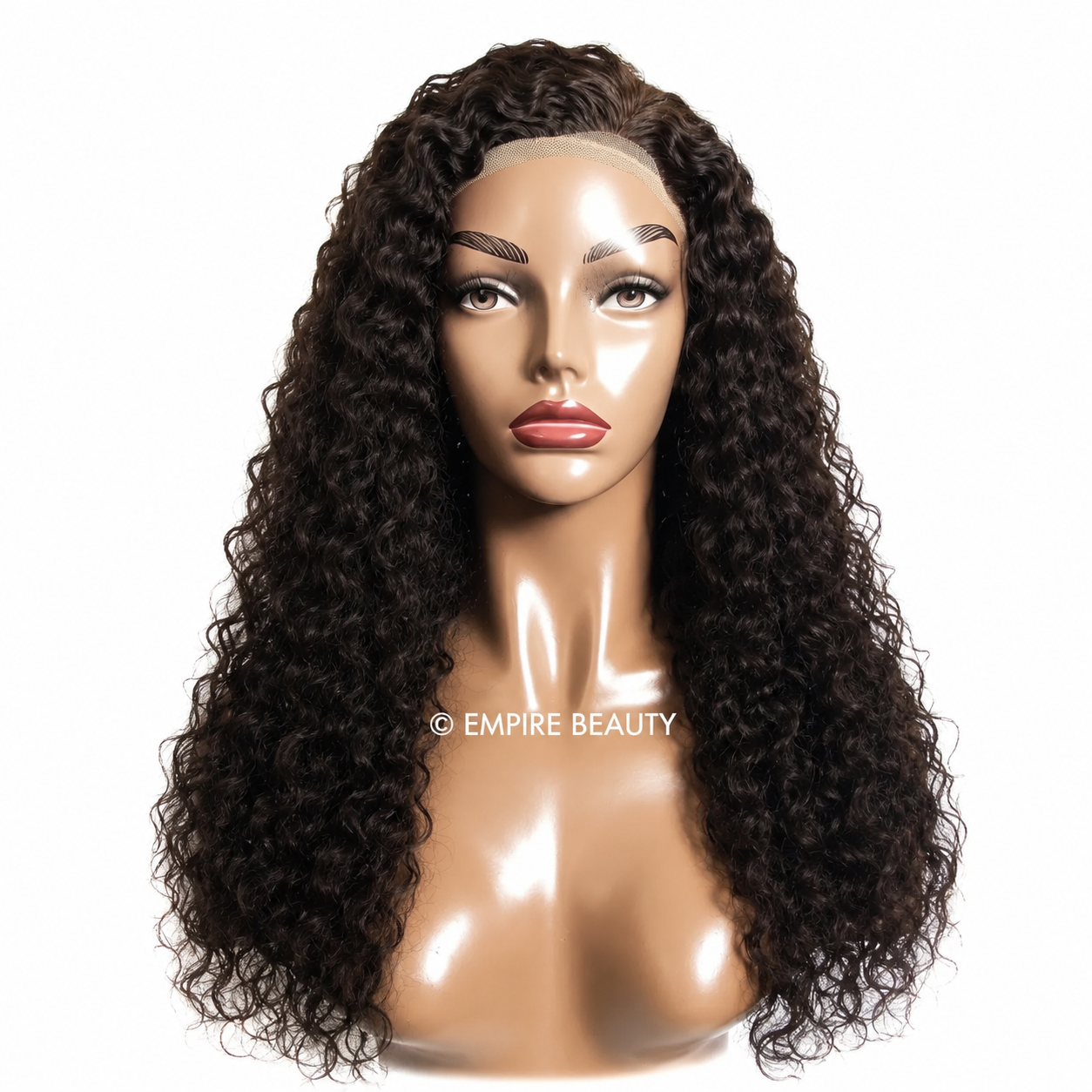
Curly human hair wigs combine two things that each have their own personality: real human hair and curl pattern. Because the hair is human, it reacts to products, humidity, and heat a lot like your own hair would. Because it’s curly, the strands naturally want to shrink, wrap around one another, and sometimes tangle if they’re not moisturized and handled gently.
Compared with straight units, curly wigs often look fuller at the same length and density. A 16‑inch curly wig can visually appear much shorter than a 16‑inch straight wig when worn in its natural state, simply because of shrinkage. That fullness is a big part of the appeal: you get big, photo‑ready hair without teasing or heavy styling. It also means that the products and tools you use should be chosen with moisture, definition, and minimal manipulation in mind.
Choosing the Right Curly Wig: Length, Texture, and Density
Before you learn how to style a curly human hair wig, it helps to pick one that fits your lifestyle. Length is the first decision. Short curly wigs around the jawline or shoulders are lively and easy to manage; they don’t rub as much against clothing, so they tangle less and are quicker to wash and dry. Mid‑length options that hit at the chest give more drama while still being manageable for most people. Very long curly wigs can look stunning in photos, but they do require more detangling and patience, especially at the nape of the neck.
Texture is all about the curl pattern. Loose curls or deep waves give a soft, romantic look and are slightly easier for beginners because they are less prone to tight tangles. Tighter curls and kinky‑curly textures mimic many natural curl patterns and can look incredibly realistic, especially for wearers with naturally textured hair, but they ask for more moisture and gentle detangling. Matching the wig’s curl pattern to your own hair, or to the look you wear most often, usually makes blending and styling feel more intuitive.
Density determines how “big” the hair looks. A lighter density on curly hair can still look quite full, because curls expand. Very high densities create dramatic, editorial volume but can feel warm and heavier over a full day. Many beginners find that a medium density gives them enough volume without feeling like the hair is overwhelming or difficult to handle.
Setting Up Your Wig: Before the First Wear
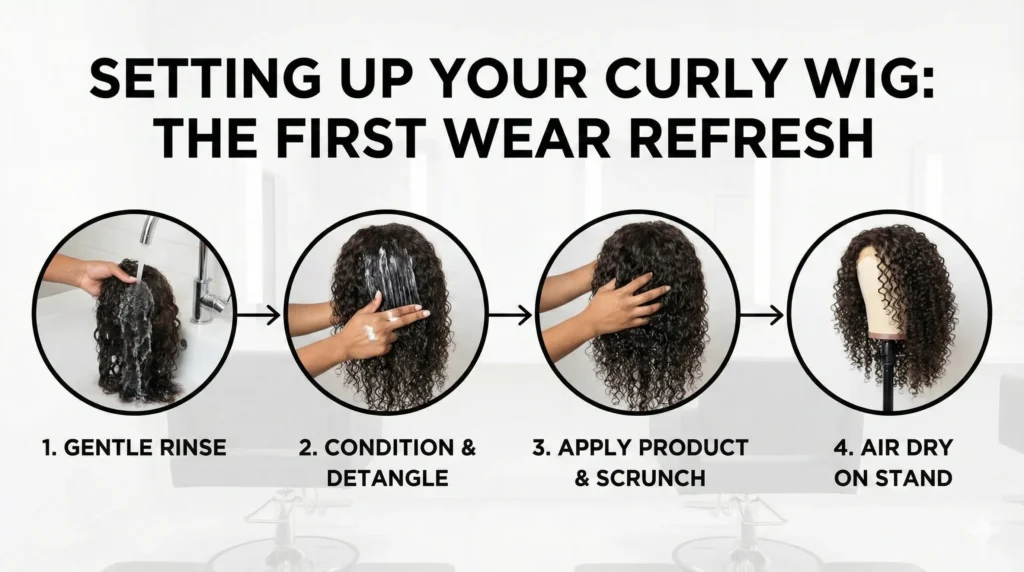
A brand‑new curly human hair wig rarely looks its best straight out of the box. Factory curls may be stiff, and the hair has usually been compressed for shipping. Before wearing it for the first time, it helps to give the unit a gentle refresh. Start by lightly rinsing the wig in cool to lukewarm water, then cleansing with a small amount of sulfate‑free shampoo, concentrating on the cap and roots where residue can sit. Rinse thoroughly and follow with a moisturizing conditioner, smoothing it through the curls with your fingers to encourage clumping.
After rinsing out the conditioner, gently squeeze out excess water with your hands and then with a microfiber towel or a soft cotton T‑shirt, avoiding rough rubbing that can create frizz. Apply a leave‑in conditioner or curl cream while the hair is still damp, rake it through with your fingers, and then scrunch the curls upward to help them spring into shape. Place the wig on a stand to air‑dry completely before you try it on. This first “reset” step often makes the curls look softer and more natural.
Daily Styling: Simple Routines for Defined Curls
Once your curly human hair wig has been properly prepped, your everyday routine can stay simple. On most mornings, you do not need to re‑wash the wig. Instead, lightly mist the hair with water or a water‑based mix (you can add a bit of leave‑in conditioner to the spray bottle) until the curls feel slightly damp. Then, use your fingers to gently separate any clumps that have merged overnight and scrunch the hair to reactivate the curl pattern.
If certain areas look frizzy or stretched out—often around the front or where you touch the hair the most—you can smooth a small amount of curl cream or lightweight gel over just those sections, then twist or finger‑coil them and allow them to dry. This targeted approach keeps the hair looking fresh without coating the entire wig in product every day, which would lead to buildup over time. Once the hair is dry, you can gently lift at the roots with your fingers for volume, avoiding combs or brushes that might disrupt the curl pattern.
Avoiding Frizz and Tangles
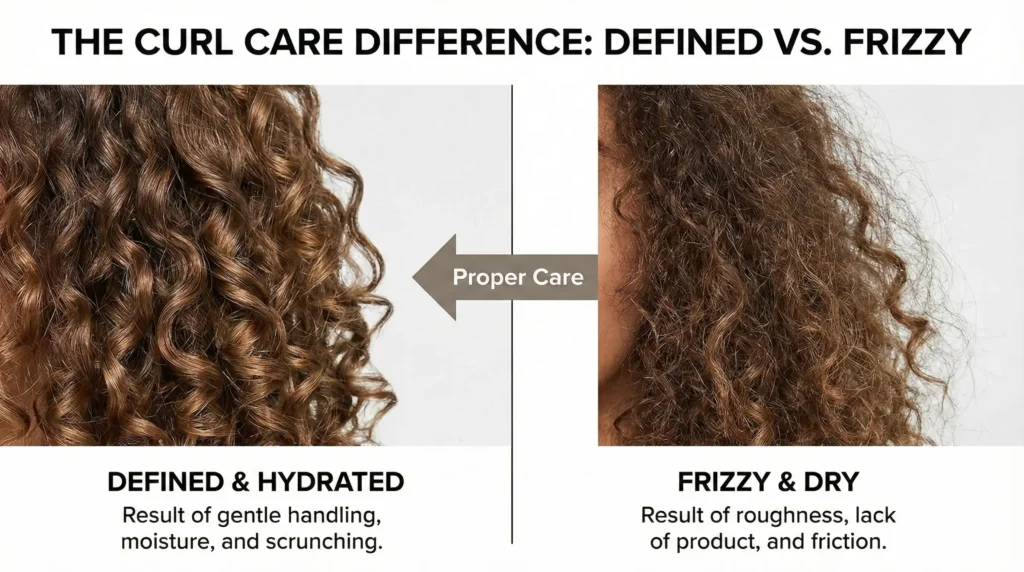
Curly hair and frizz are close friends, but the right habits keep things under control. Frizz often shows up when the hair is dry, roughed up, or brushed when it shouldn’t be. To minimize it, handle the curls with open palms and fingers rather than small‑tooth combs and avoid touching the hair constantly throughout the day. When you need to adjust the wig, it’s better to gently shape the curls instead of raking your fingers through them from root to end.
Tangles tend to form at the nape of the neck, where the hair rubs against collars, scarves, and jackets. At the end of the day, remove the wig and gently detangle this area with your fingers or a wide‑tooth comb while the hair is lightly misted and conditioned. Working in small sections from the ends upward prevents breakage and keeps the curls intact. Regular, small maintenance sessions like this are far easier than waiting until the hair is heavily matted and trying to fix everything at once.
Washing and Deep Conditioning
How often you wash a curly human hair wig depends on how frequently you wear it and how much product you use, but a common pattern is every 7–10 wears or whenever the hair feels coated and less responsive. When it’s wash day, start by gently detangling the wig while it’s dry or just slightly damp. Then wet it thoroughly with cool to lukewarm water and apply a mild, sulfate‑free shampoo to the cap and roots, smoothing the lather down the length instead of scrubbing back and forth.
After rinsing, apply a generous amount of conditioner or a dedicated deep treatment, focusing on the mid‑lengths and ends where curls are driest. Use your fingers or a wide‑tooth comb to detangle again, then let the product sit for several minutes before rinsing. Once most of the conditioner is out, you can leave a small amount of moisture in the hair, apply your favorite leave‑in or curl cream, and scrunch as you would on a normal styling day. Allow the wig to air‑dry on a stand; heat tools are rarely necessary for drying curly wigs and can gradually reduce curl definition if overused.
Heat Styling: When and How to Use It
One of the advantages of human hair is that you can use heat if you want to temporarily change the curl pattern. However, with curly wigs, less is usually more. If you occasionally want looser curls or waves, you can use a curling wand on a moderate setting after applying heat protectant, then wrap sections and pin them to cool. Once they’re set, you can release the curls and gently separate them with your fingers.
Straightening a curly human hair wig is possible, but every time you apply strong, direct heat, you slightly weaken the curl pattern. If you know you’ll want straight styles often, it’s smarter to invest in a separate straight or body‑wave wig instead of forcing one curly unit to do everything. Using low to medium heat, always working on completely dry hair, and moving the iron steadily without lingering in one spot will help protect the integrity of the curls for when you want to wear them natural again.
Storing and Traveling with Curly Wigs
The way you store a curly wig makes a big difference to how it looks the next time you put it on. After a day of wear, gently detangle any problem areas, especially at the nape, and allow the hair to fully dry before storing it. Placing the wig on a stand or mannequin head preserves the shape of the curls and prevents them from getting crushed. If you don’t have room for a stand, you can carefully lay the wig in a satin or silk bag, arranging the curls in loose spirals rather than folding them sharply.
When traveling, it helps to refresh the curls before you pack the wig away, then store it in a protective bag inside your luggage. Carrying a small spray bottle and travel‑size versions of your key products means you can quickly revive the hair when you arrive. Because curly hair tends to react to changes in climate and humidity, giving it a light mist and scrunch at your destination can restore its shape after time in transit.
Wearing Your Curls with Confidence
Curly human hair wigs are not just about having “big hair”—they’re about stepping into styles that feel expressive, playful, and uniquely yours. For beginners, there is often a learning curve in trusting the volume and seeing a different silhouette in the mirror. It helps to start with a curl pattern and length that feel like a natural extension of your own taste, then gradually experiment with bolder looks as your comfort grows.
With a simple routine—gentle detangling, regular moisture, careful washing, and mindful storage—curly human hair wigs become surprisingly easy to live with. Over time, they stop feeling like a complicated beauty project and start feeling like a reliable, joyful part of your style toolkit. When your curls are defined, soft, and moving the way you like, it becomes much easier to walk into any room, event, or photo frame knowing your hair is working for you rather than against you.